Architect's Paradox: Creativity Meets Commercial Reality
The architectural design phase is a critical stage in any real estate development project. It lays the foundation for the project's identity, function, and market appeal. However, this stage presents a paradox: the creative freedom architects seek often conflicts with the commercial constraints developers face. When designs are not aligned with market viability, the repercussions can be financially significant.
The Architect’s Vision vs. Commercial Realities
Architects are tasked with creating innovative and visually captivating structures that push the boundaries of design. Their primary focus is often on aesthetics, originality, and meeting the aspirations of end-users. Conversely, developers must prioritize profitability, functionality, and alignment with market demands. This divergence of priorities can lead to a misalignment if not addressed early in the process.
For example, an architect may propose a complex façade or intricate layouts that elevate the building’s visual appeal but significantly increase construction costs. If these costs cannot be justified by the market’s willingness to pay a premium, the project may struggle to achieve its financial goals.
You May Also Like to Read: Digital Transformation in Real Estate
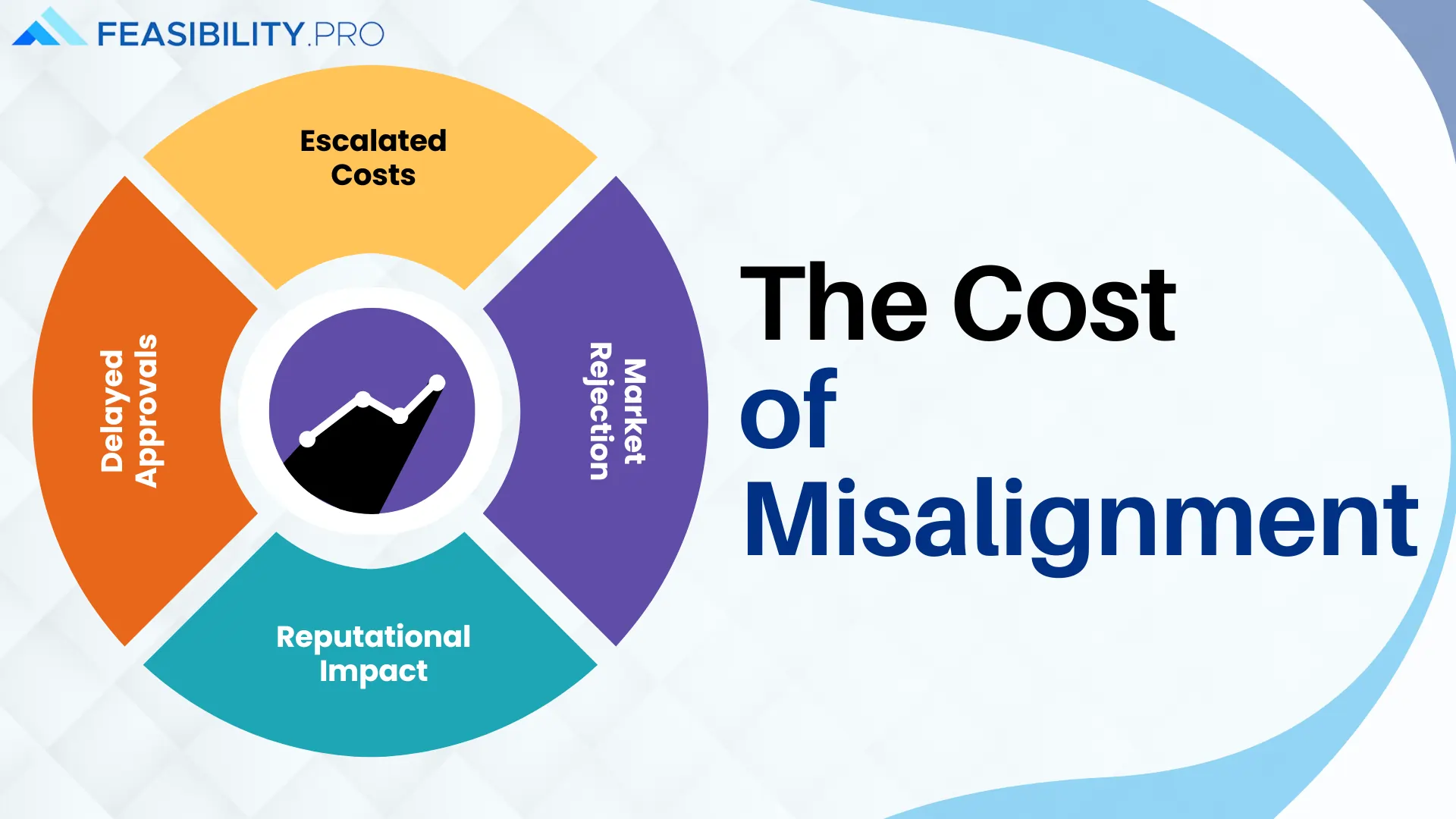
The Cost of Misalignment
1. Delayed Approvals
Non-viable designs often require multiple revisions to meet regulatory or market standards, delaying the project timeline.
2. Escalated Costs
Overly ambitious designs may necessitate specialized materials or construction techniques, inflating budgets.
3. Market Rejection
If the end product does not cater to target demographics or local market preferences, it risks poor sales or leasing performance.
4. Reputational Impact
A poorly received project can damage the developer’s credibility, impacting future ventures.
You May Also Like to Read: Big Data, Urban Planning and Smart Cities
Case in Point: Examples of Design Overreach
Several projects worldwide have faced financial setbacks due to overly ambitious designs. The Sydney Opera House, while now an iconic landmark, faced budget overruns of over 1,400%. While its cultural value is undeniable, such overruns would spell disaster for commercial projects without external funding or a clear revenue model.
Achieving the Balance
To navigate this paradox, developers and architects must collaborate from the outset:
- Market Research Integration: Early incorporation of market analysis ensures designs cater to buyer or tenant preferences.
- Cost Consultants in Design Phase: Involving cost consultants during design development helps align creative aspirations with financial feasibility.
- Phased Flexibility: Allowing for modular or phased construction can mitigate risk, providing scalability based on market response.
- Feedback Loops: Regular stakeholder reviews ensure continuous alignment between design vision and commercial objectives.
The Role of the Developer
Developers play a pivotal role in bridging the gap between artistic ambition and market practicality. By setting clear design briefs rooted in market data, they can guide architects toward solutions that are both innovative and viable.
Conclusion
The architect’s paradox underscores the delicate balance required between creativity and commerciality. While bold designs can differentiate a project in a competitive market, they must also be grounded in economic and market realities. Collaborative approaches, informed by robust data and guided by clear objectives, can help resolve this paradox, ensuring that architectural brilliance does not come at the cost of financial success.
Thank you For Reading: The Architect’s Paradox: Balancing Design Creativity with Market Viability
FAQs
What is the Architect's Paradox?
The "Architect's Paradox" refers to the inherent conflict between the creative freedom and innovative vision that architects strive for in their designs, and the practical commercial constraints and market demands that developers must prioritize for a real estate project to be financially successful.
Why is it important to address the Architect's Paradox early in a real estate development project?
Addressing this paradox early is crucial to avoid significant financial repercussions. Misaligned designs can lead to delayed approvals, escalated construction costs due to overly ambitious features, market rejection if the design doesn't appeal to the target audience, and damage to the developer's reputation.